The Chemistry of Electrolytes · Episode 04
Do electrolytes break a fast? What the physiology says
Hour 16 of a fast, you want something with salt in it. The minerals are not the problem. What comes with them might be.
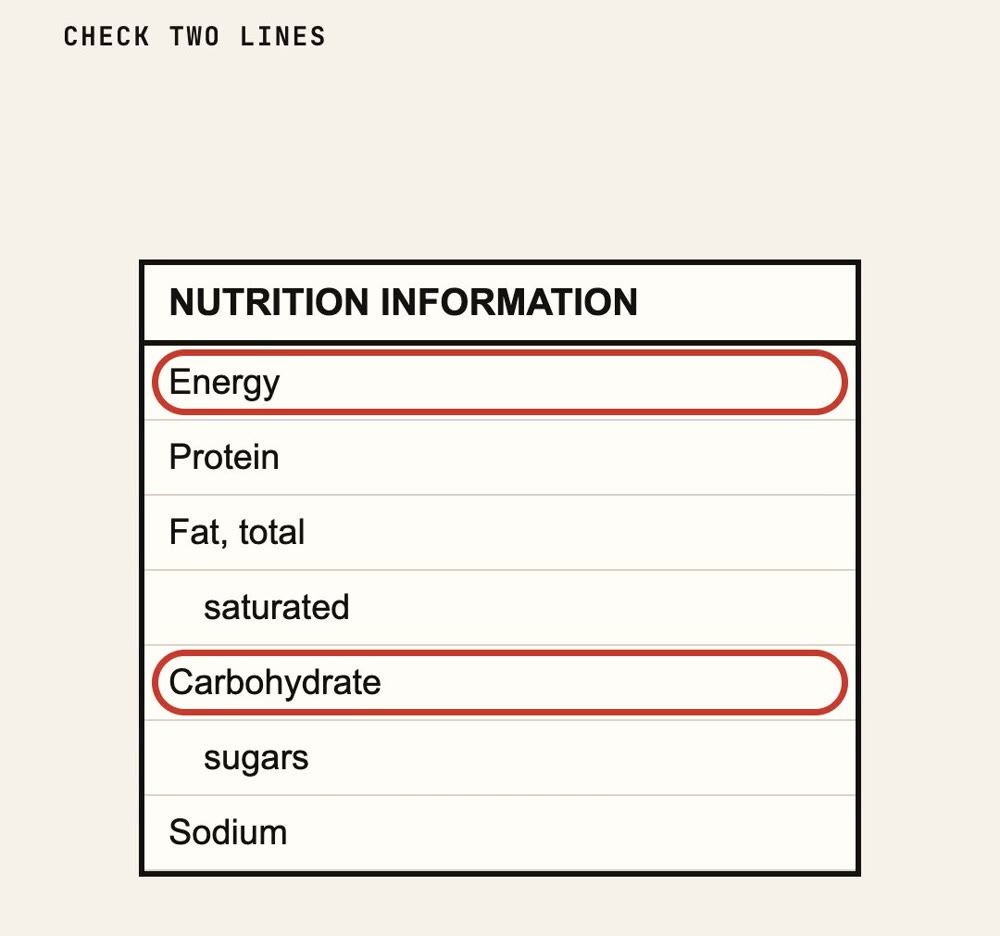
Short answer. No, plain electrolytes do not break a fast. Sodium, potassium and magnesium are minerals. They carry no calories and no carbohydrate. Sugar does. So check two lines on the nutrition panel: energy and carbs.
What actually breaks a fast
A fast is a stretch of time with no energy coming in. In food and drink, energy comes from three things: carbohydrate, protein and fat. Breaking a fast means giving your body one of those.
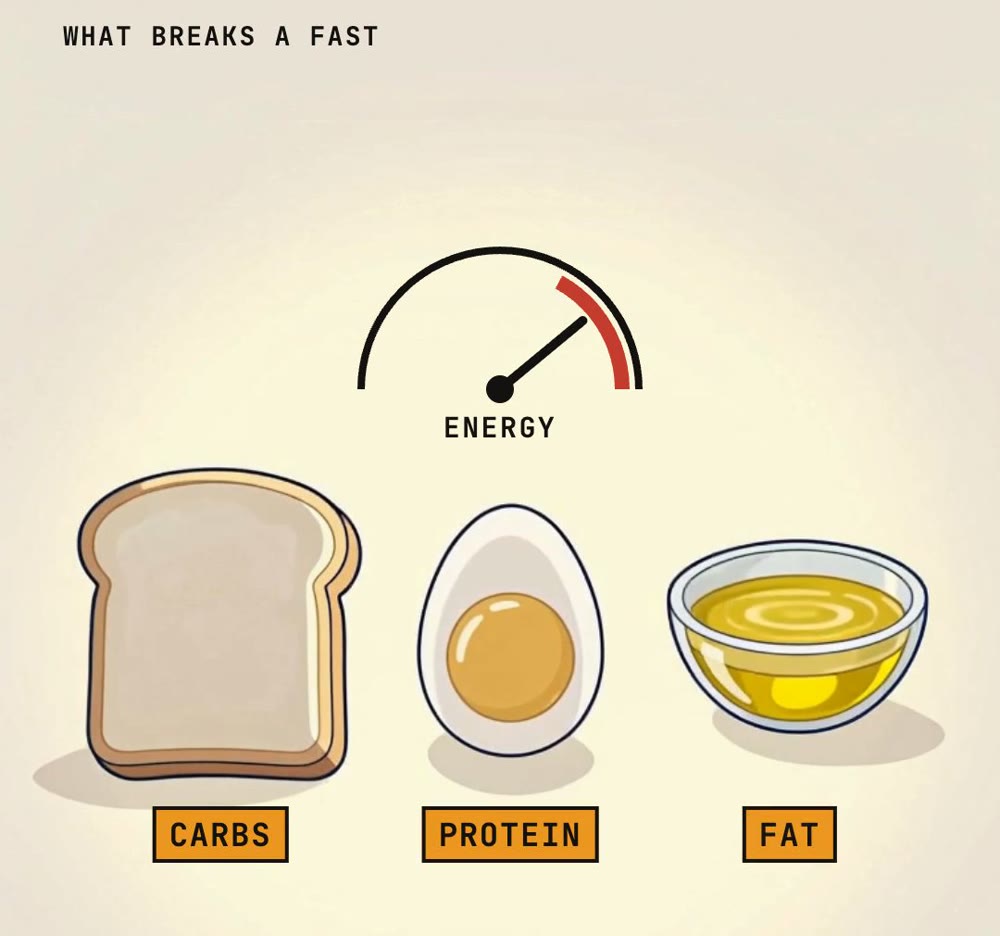
Electrolytes carry no energy
Sodium, potassium and magnesium are none of those three. They are minerals, not fuel. Your body uses them to move water, fire nerves and contract muscles. They have no calories and nothing to burn.
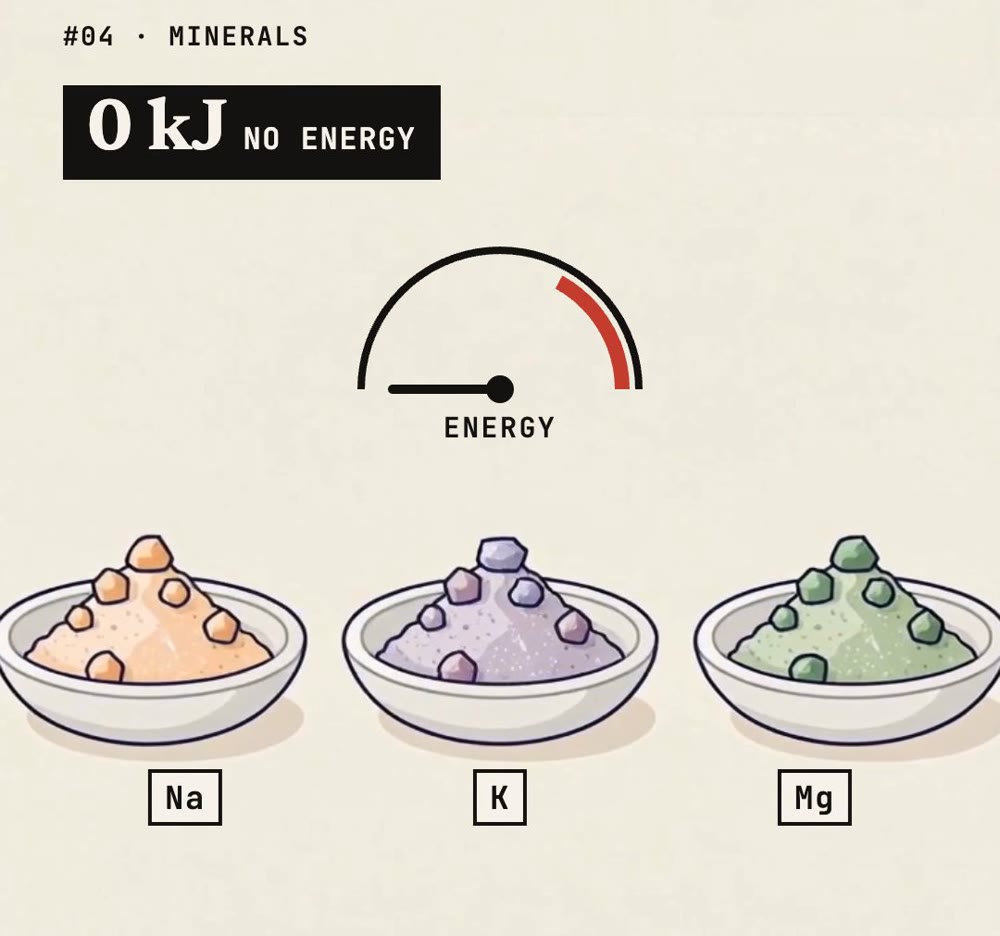
The catch is what gets mixed in
Plenty of electrolyte and sports drinks are built on sugar. One bottle can carry several teaspoons of it. That sugar is carbohydrate, and it carries energy. For a fast, that is the part that counts.
Watch for maltodextrin too. It is a carbohydrate made from starch. In some powders it is a main ingredient and adds several grams of carbs to every serve. So a powder can be sugar-free and still carry a few grams of carbohydrate, or well under one.
You cannot tell from the word electrolyte on the front. Two tubs can both say it. One is mostly sugar, the other mostly minerals.
Why your body sheds salt when you fast
In the first days of a fast, your kidneys pass more salt than usual. One reason is insulin. Insulin helps your kidneys hold on to sodium, and insulin drops when you fast or cut carbs. Water tends to follow that salt out.
Sodium is the mineral that helps your body hold on to fluid. Plain water on its own passes through fast. So a fasting day can become a day where you drink plenty of water but run lower on salt than you think. We explain why in the science of salt and hydration.
Where a sugar-free electrolyte powder fits
Put the two ideas together. Electrolytes carry no energy, and fasting moves salt and water out of your body. That is why many people who fast reach for a drink with sodium, potassium and magnesium, and no sugar.
How Rawstone is built
Rawstone is a sugar-free hydration powder, built strong and still easy to drink. Per serve: 1000mg of sodium, 250mg of potassium, and 75mg of magnesium, a source of magnesium that contributes to your daily intake. Zero sugar and 0.4g of carbohydrate per serve. It is sweetened with Reb M, the clean-tasting part of the stevia leaf, not the bitter grade (Reb A vs Reb M).
Stir one serve into a large 750ml to 1L glass of water. That puts the 1000mg of sodium in the hydration range the research points to, and keeps it drinkable. Want it lighter? Add more water.
How much sodium does a hard, sweaty hour cost? See how much salt you lose in sweat, or work out your own number with the sweat calculator.
Rawstone is launching on Amazon Australia this summer
Sugar-free, 1000mg sodium, test certificate from batch one. Join the list for a launch-day discount code.
See the productGet the Sodium & Hydration Cheat Sheet + a launch-day discount
Fasting, sweat and sodium numbers on one page. No spam.
Do electrolytes break a fast?
How much carbohydrate is in a sugar-free electrolyte powder?
Can I have electrolytes during intermittent fasting?
Is 1000mg of sodium a lot to have while fasting?
Sources
- Sigler MH. The mechanism of the natriuresis of fasting. Journal of Clinical Investigation. 1975;55(2):377–387. jci.org/articles/view/107941
- DeFronzo RA, Cooke CR, Andres R, Faloona GR, Davis PJ. The effect of insulin on renal handling of sodium, potassium, calcium, and phosphate in man. Journal of Clinical Investigation. 1975;55(4):845–855. jci.org/articles/view/107996
- Food Standards Australia New Zealand. Standard 1.2.8 Nutrition information requirements (energy, carbohydrate and sugars per serve on the nutrition information panel).
This article is general education about hydration, not medical advice. Rawstone is a formulated supplementary sports food, not a medicine. Consume no more than one serve a day.